Taking care of your yard is a big job, especially when you have large trees on your property. Trees bring shade, beauty, and value to your home. But when branches grow out of control or trunks begin to rot, they can quickly turn into a hazard. If you live in the historic borough of visit here, keeping your property safe from falling limbs is a top priority. Getting professional Tree Service in Ambridge, PA helps you protect your home, your family, and your investment.
Why Local Tree Maintenance Matters in Ambridge
Ambridge experiences a full range of seasons. We deal with heavy snow in the winter, high winds in the spring, and summer storms that sweep through the Ohio River valley. These changing weather patterns put a lot of stress on your trees.
Over time, heavy ice can crack weak branches. Strong winds can rip dying trees straight out of the ground. When a large limb hangs over your driveway, roof, or power lines, you face a serious risk every time a storm rolls in.
Regular tree care keeps your landscape healthy and structurally sound. Trimming dead wood allows healthy branches to grow stronger. Removing dangerous limbs reduces the chance of expensive property damage. Local homeowners who stay ahead of tree maintenance save money and avoid sudden emergencies.
Complete Tree Care Services for Your Property
Proper tree care involves more than just cutting down limbs. Different trees have different needs, and every property in Ambridge has unique space constraints. Here is a look at the core services that keep your yard safe and beautiful.
Professional Tree Removal
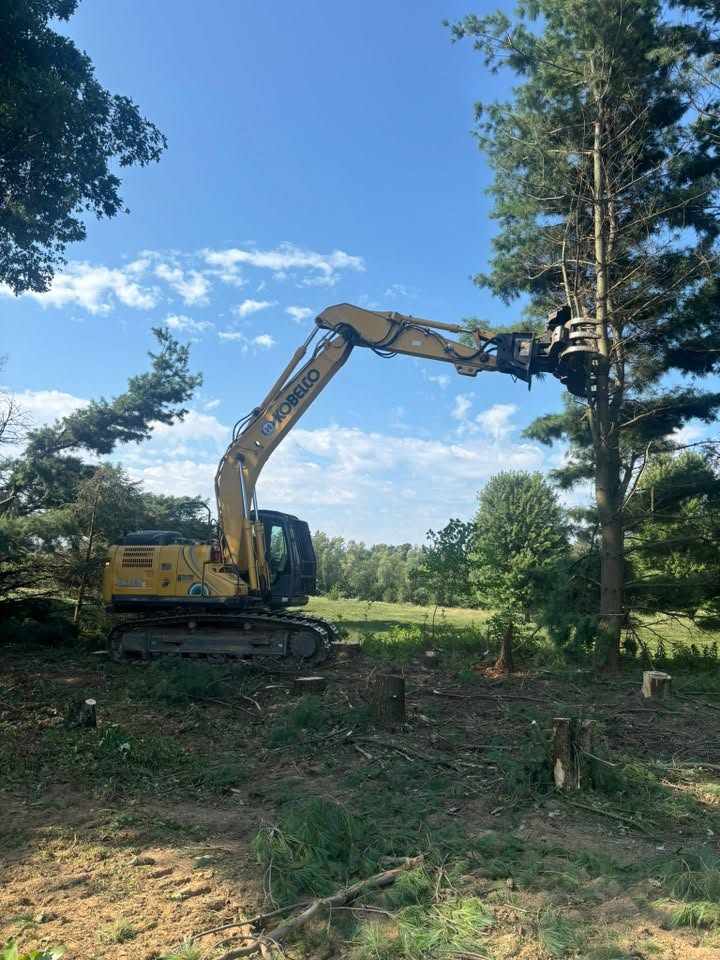
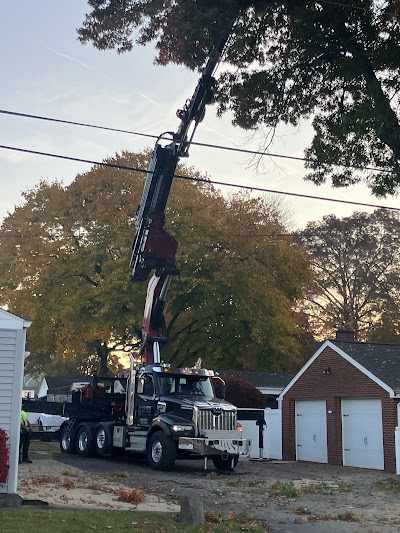
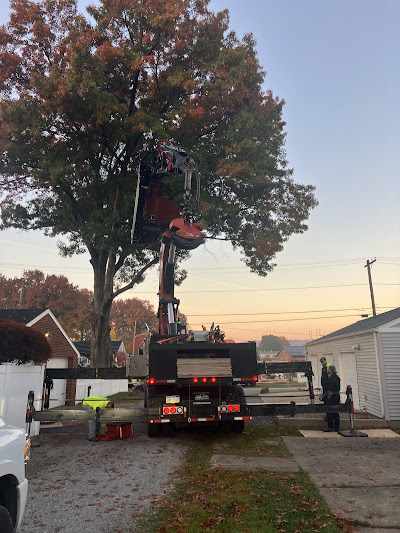
Sometimes a tree cannot be saved. Roott rot, severe storm damage, or disease can make a tree unstable. In tight neighborhood spaces, removing a large tree requires specialized equipment and careful planning.
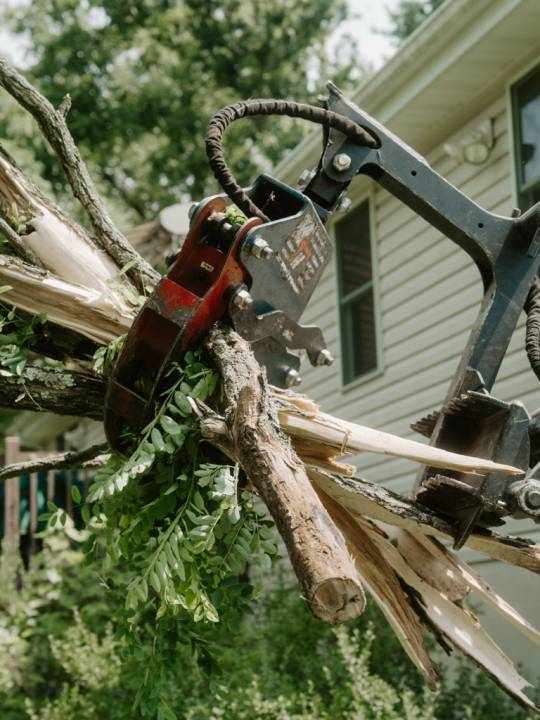
Trained professionals take down trees piece by piece. They drop limbs safely away from your roof, fence, and power lines. If you have an unwanted or dead tree standing near your home, click to schedule a full inspection and safe removal plan.
Tree Trimming and Pruning
Trimming is essential for both young and mature trees. Proper pruning removes dead, diseased, or overgrown branches. It helps air and sunlight pass through the canopy, which keeps the tree healthy.
Trimming also keeps branches away from your house. Overhanging limbs can scrape against siding, damage shingles, and give pests easy access to your attic. Regular pruning keeps your roof clean and extends its lifespan.
Stump Grinding and Removal
After a tree comes down, the stump remains behind. Old stumps create several problems for homeowners:
They are tripping hazards for children and pets.
They make mowing the lawn difficult and dangerous for your mower blades.
They attract wood-boring insects like termites, carpenter ants, and beetles.
They continuously send up weak sprouts that look unsightly.
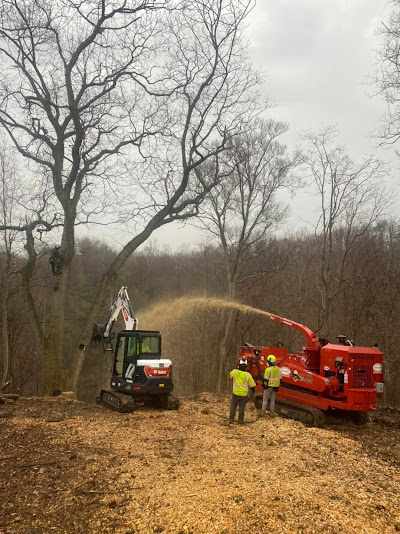
Stump grinding uses a powerful machine to grind the wood down several inches below ground level. Once the stump is gone, you can cover the spot with topsoil, plant fresh grass, or add new landscaping.
Emergency Storm Cleanup
Severe weather can hit Beaver County with very little warning. High winds often snap thick branches or blow entire trees across driveways and roofs.
Emergency tree services focus on rapid response and hazard mitigation. Professionals secure the area, remove fallen debris safely, and clear access routes to your home.
Safety First: Why DIY Tree Work is Dangerous
It can be tempting to rent a chainsaw and tackle tree work yourself. However, tree care is one of the most hazardous tasks a homeowner can undertake. Every year, thousands of DIY homeowners suffer injuries from falling limbs, unstable ladders, and power tools.
Here is why working with trained local specialists is the smart choice:
Heavy Equipment and Dangerous Forces
Trees are extremely heavy and unpredictable. A single large limb can weigh several hundred pounds. When a branch falls from twenty feet in the air, gravity creates immense kinetic force. Without proper rigging, ropes, and drop techniques, falling wood can bounce, shift, or drop directly onto your roof.
Proximity to Utility Lines
Power lines run through almost every neighborhood in Ambridge. Working near power lines requires strict safety distance protocols and non-conductive tools. Touching an active line with a tool, ladder, or falling branch can cause severe shock or death. Professionals know how to work around utility lines safely.
Complex Cutting Techniques
Cutting a tree down requires precise cuts. You must understand how wood tension, trunk weight, wind speed, and internal rot affect the direction a tree falls. One wrong notch cut can send a heavy trunk falling toward your neighbor's house or vehicle.
What to Expect During Professional Tree Care
When you hire a skilled team for your yard, you should expect a clean, efficient, and transparent process from start to finish.
1. Property Assessment  -->  Inspecting the tree, surrounding structures, and safety hazards.
2. Safety Setup          -->  Setting up work zone barriers, ropes, and dropping zones.
3. Execution             -->  Cutting, trimming, or dropping wood using controlled techniques.
4. Complete Cleanup      -->  Raking debris, chipping branches, and blowing clean paved surfaces.
Thorough Site Assessment
Before any work begins, specialists inspect the tree and its surroundings. They map out drop zones, check for ground obstacles, and identify the safest way to bring down large wood.
Controlled Work
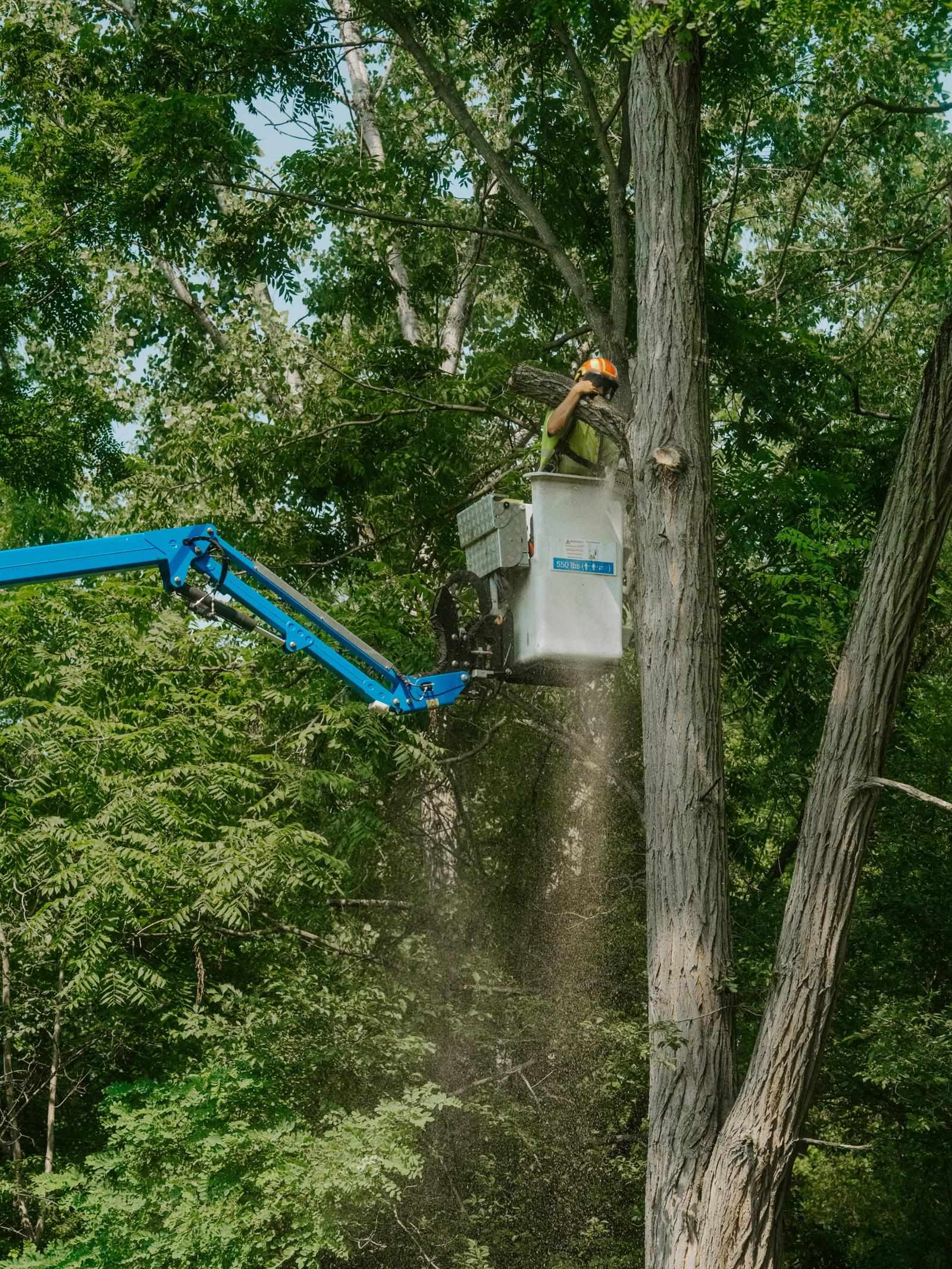
Using ropes, harnesses, cranes, and bucket trucks, workers trim or lower limbs in controlled sections. This step-by-step approach prevents heavy wood from slamming into your lawn or structures.
Total Cleanup
Quality service does not end when the cutting stops. A professional team rakes up leaves, gathers twigs, chips large branches into mulch, and sweeps off driveways and walkways. Your property should look cleaner when the crew leaves than when they arrived.
Signs Your Tree Needs Immediate Attention
Trees often show warning signs long before they fall. Walk around your property regularly and check for these key red flags:
Fungi near the base: Mushrooms or fungus growing around the roots usually signal internal trunk rot.
Leaning trunks: A tree that suddenly develops a sharp lean, or shows raised soil at its base, is losing its root anchor.
Cracks and splits: Deep vertical cracks in the main trunk weaken the structural integrity of the entire tree.
Dead canopy branches: Branches without leaves during the growing season are dead and ready to break off during the next high wind.
Hollow trunks: Large cavities in the main trunk mean the inner supporting wood is decayed or missing.
If you notice any of these signs on your property, call an expert right away to evaluate the danger.
Caring for Your Yard Year-Round
Keeping your trees healthy requires basic attention throughout the year.
In the spring, inspect your trees for new growth and check for winter damage. Apply fresh mulch around the base to retain moisture, but keep mulch away from direct contact with the bark.
During dry summer weeks, water young trees deeply once a week. In the fall, rake up leaves to prevent fungal diseases from overwintering in your soil. Before winter arrives, prune away dead limbs so heavy snow does not snap them off.
Investing in consistent care keeps your yard safe, boosts your home's curb appeal, and protects your property value for years to come.
Keystone Tree Techs
1656 Pine Run Rd, Rochester, PA 15074, United States
(724) 390-2966

Write a comment ...